


Added:
Crypto Wallet Comparator
19 hardware wallets compared by price, security (EAL5+/EAL6+), connectivity, and supported cryptos to choose the physical wallet that truly protects your assets.
Filters
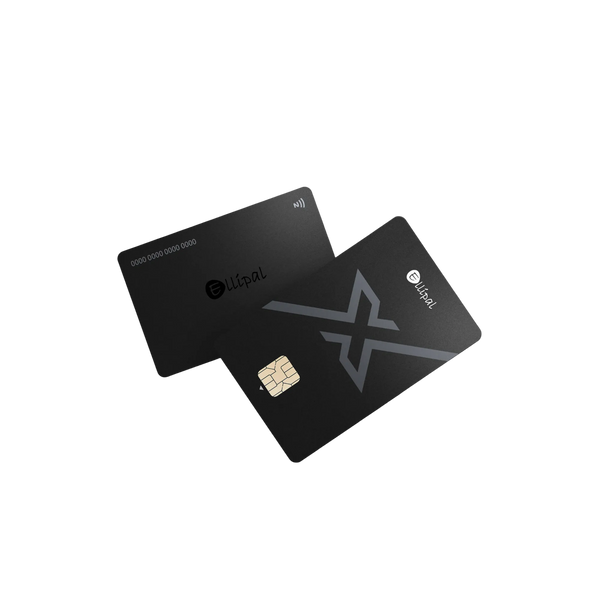
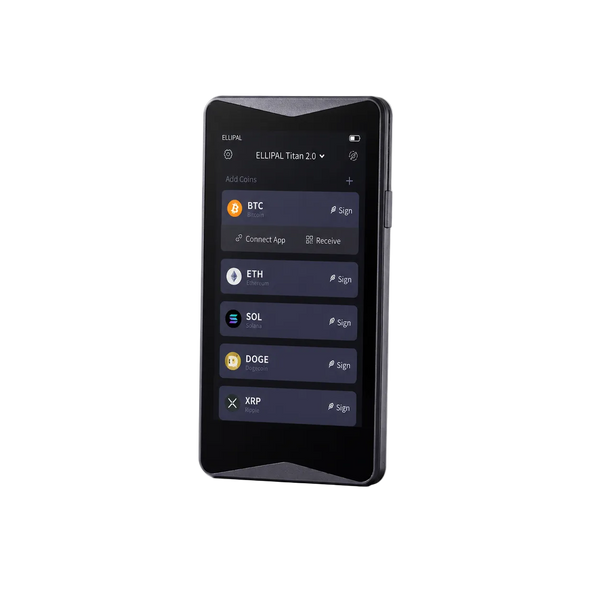
19 products Ellipal Titan 2.0
View →
Best value for money
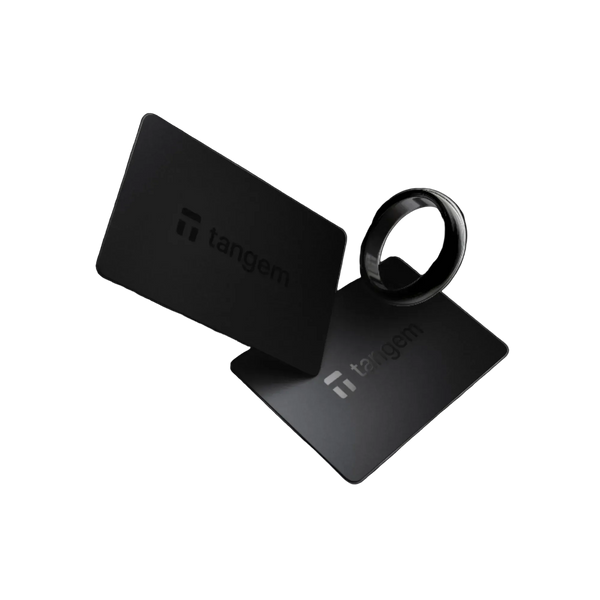
 Tangem Wallet (2 cards)
View →
Maximum security
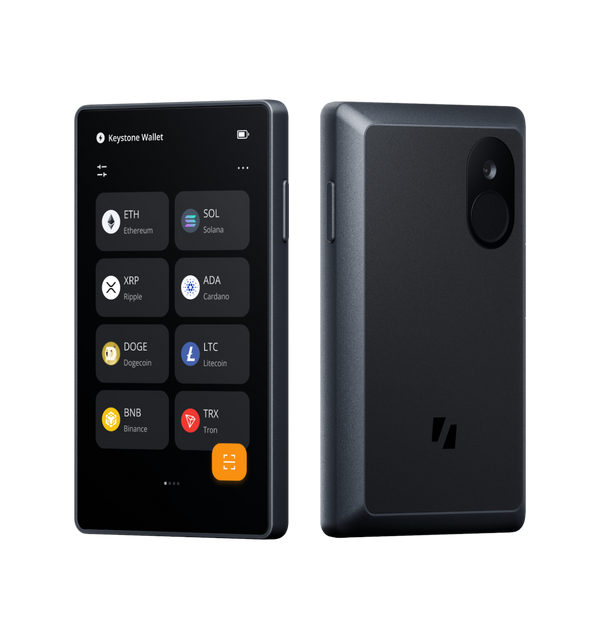
 Keystone 3 Pro
View →
Populaire

OneKey
Pro
€279,00
Sécurité4 x EAL6+
ConnexionQR code
Batterie530 mAh (recharge sans fil Qi2)
Meilleur prix

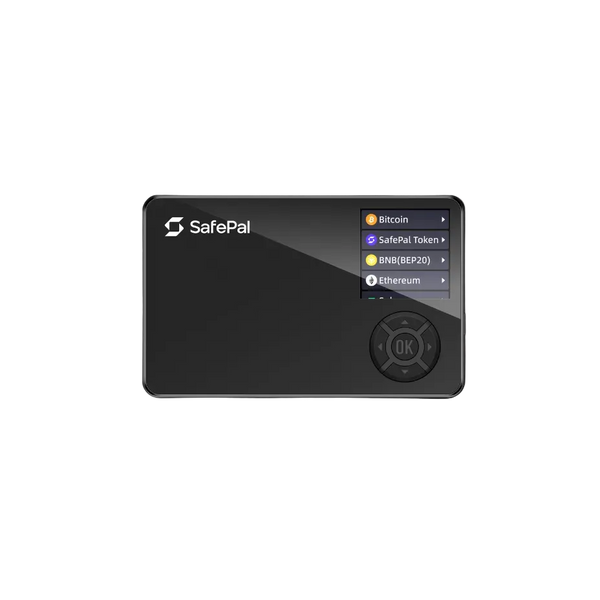
SafePal
S1
€54,90
SécuritéEAL6+
ConnexionQR code (air-gapped)
Batterie≈ 20 j (400 mAh)
Meilleur prix

Trezor
Model One
€49,00
SécuritéOpen source, PIN
ConnexionMicro-USB
BatterieAlimenté par USB

Trezor
Safe 3
€79,00
SécuritéEAL6+
ConnexionUSB-C
BatterieAlimenté par USB

Satochip
Ultimate Security Pack
€85,00
SécuritéEAL6+
ConnexionNFC
BatterieSans batterie

Ledger
Nano X
€149,00
SécuritéEAL5+
ConnexionUSB-C
Batterie≈ 5 h

Trezor
Safe 5
€169,00
SécuritéEAL6+
ConnexionUSB-C
BatterieAlimenté par USB

Ledger
Flex
€249,00
SécuritéEAL6
ConnexionUSB-C
Batterie≈ 10 h

Ledger
Stax
€399,00
SécuritéEAL6+
ConnexionUSB-C
Batterie≈ 10 h
How to choose your crypto wallet?
A hardware wallet (or cold wallet) keeps your private keys offline, safe from hacking, malware, and exchange bankruptcies. This is the recommended storage method as soon as your cryptocurrency holdings represent a significant amount. Here are the 4 criteria that really matter:
Chip security
Prioritize a chip certified EAL5+ (banking standard) or EAL6+ (military-grade, used for passports). For maximum isolation, air-gapped wallets communicate only via QR code, with no USB or Bluetooth connection.
Everyday connectivity
USB-C for computers, Bluetooth for mobile, NFC for a simple tap with your phone. Credit-card-sized wallets slip into a wallet and work without a battery—ideal for beginners.
Supported cryptos
All models handle Bitcoin and Ethereum, but the number of supported assets ranges from 1,000 to over 30,000 depending on the brand. Also, check for built-in staking if you want to put your crypto to work without moving it out of cold storage.
Budget
From less than €60 for an NFC card to nearly €400 for a premium model with a touchscreen: there is a wallet for every profile. Browse all our hardware wallets or complete your setup with our crypto accessories.
Frequently asked questions about crypto wallets
What is a cold wallet?
A cold wallet is a physical crypto wallet that keeps your private keys offline, out of reach of hackers and malware. Unlike an exchange, you are the sole owner of your keys: no one can freeze or lose your funds for you.
What is the difference between a hot wallet and a cold wallet?
A hot wallet (mobile app, browser extension) is permanently connected to the Internet: convenient for small daily amounts, but exposed to attacks. A cold wallet stores private keys in a secure chip offline—this is the recommended solution for long-term crypto storage.
What do the EAL5+ and EAL6+ certifications mean?
EAL (Evaluation Assurance Level) measures the security level of a chip according to Common Criteria. EAL5+ corresponds to the banking card standard; EAL6+ is a military and government level (biometric passports). Most wallets in this comparison feature an EAL6+ chip.
Which crypto wallet should a beginner choose?
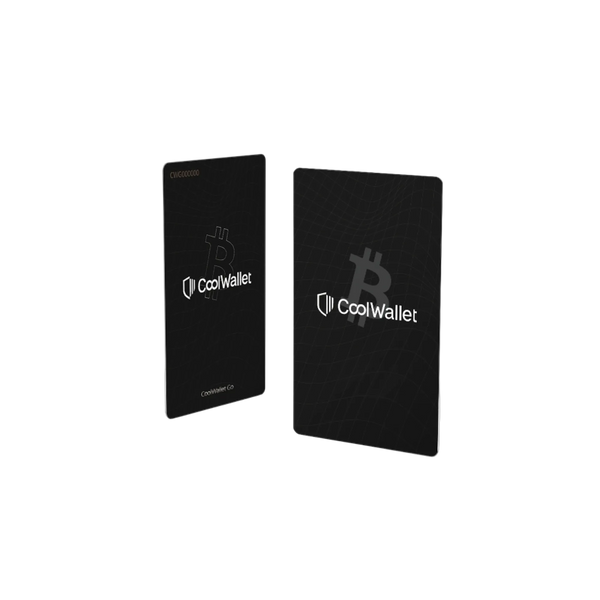
For a first purchase, credit-card-sized wallets (Tangem, CoolWallet Go) are the easiest: an NFC scan with your phone is all you need, no battery or cable required, for under €80.
What happens if I lose my hardware wallet?
Your cryptos are not stored "in" the device: they live on the blockchain. Your recovery phrase (12 or 24 words) allows you to restore all your funds on a new wallet. Some models like Tangem use backup cards instead of a seed phrase.
What is an air-gapped wallet?
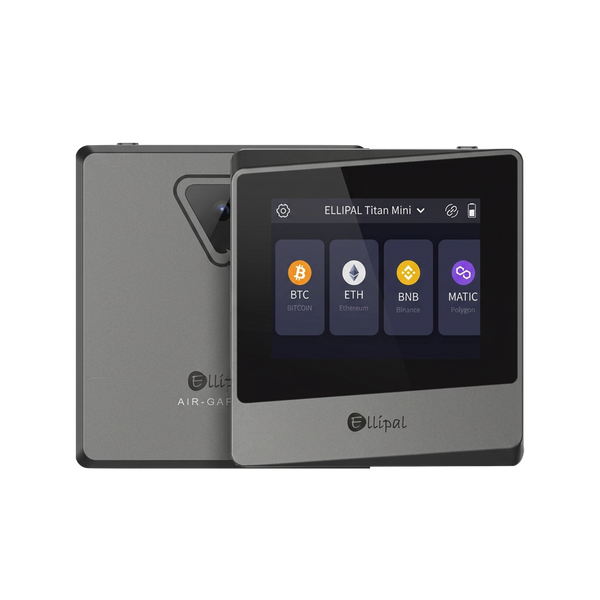
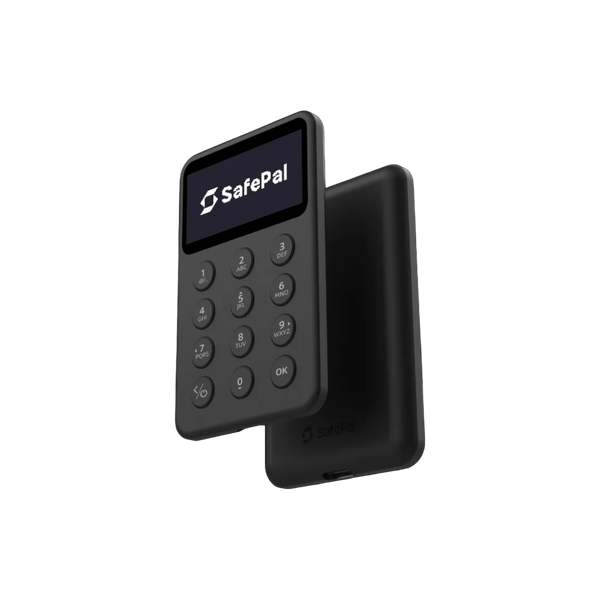
An air-gapped wallet never physically connects to another device: no USB, no Bluetooth. Transactions are signed via QR code, which reduces the attack surface to the absolute minimum. Ellipal, Keystone, and SafePal are the benchmarks in this category.
Can you stake with a cold wallet?
Yes: most recent models allow you to delegate your cryptos for staking directly from their application, while the private keys remain offline. Check the "Staking" column in the comparison tool to verify model by model.